Managing Hamilton’s Clay Soils And Seasonal Garden Care
Hamilton gardeners often run into clay soil, it’s common across the Waikato region. Clay holds water, compacts easily, and turns rock-hard when dry. That combination means plants can struggle unless the soil and garden routine get a bit of attention. This guide explains how to recognise clay, improve its structure, manage drainage, pick plants that cope, and care for your garden through the seasons.
Understanding Clay Soil In Hamilton Gardens
Clay soil is made of very fine particles, so it holds moisture well but packs down quickly. Compaction reduces air pockets, limiting root growth and the movement of beneficial organisms. After heavy rain, clay tends to puddle because water drains slowly. In dry spells, the surface can harden and crack. Soil behaviour varies across Hamilton, based on location, past land use, and your garden’s history.
How To Check Your Garden Soil
Start with touch and observation. Moist clay feels smooth and sticky. Watch the garden after rain, note any puddles, and see whether water has drained within 24 hours. Dig down near roots to check for tight, stunted roots or slow growth, both clues to poor soil conditions. Healthy soil has a fresh, earthy smell. For exact answers on pH and nutrients, a professional soil test removes the guesswork and guides what to add.
How To Improve Clay Soil In Garden Beds
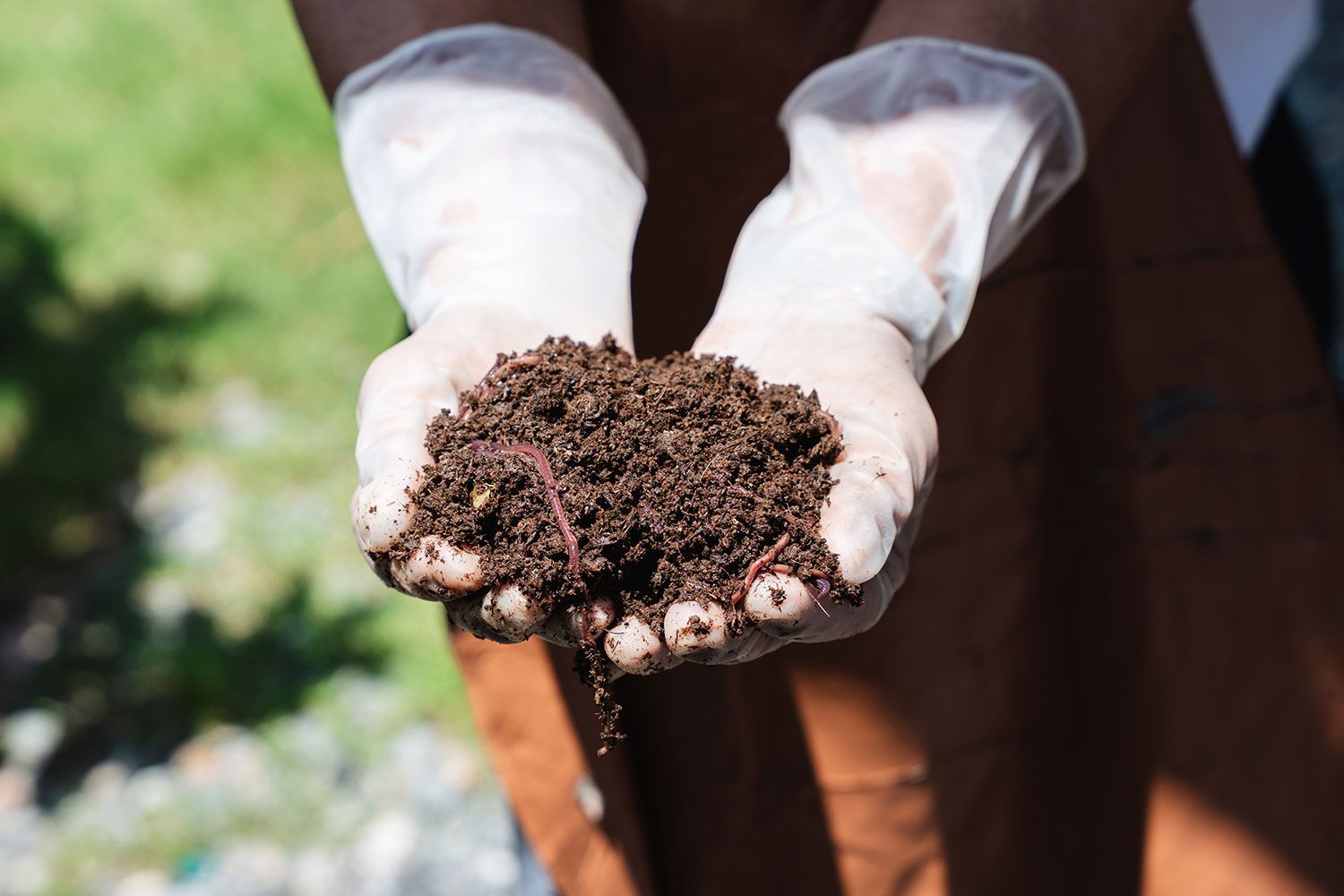
Improving clay takes time. Add mature organic matter slowly, such as well-rotted compost or leaf mould, to loosen the structure and raise nutrient levels. Mulch protects the surface, reduces compaction from foot traffic or rain, and feeds soil life as it breaks down. Avoid cultivating when the soil is wet, because that causes clumping and damages pore structure. Adding sand can be risky, small amounts may make a concrete-like mix unless the balance is right. Generally, focus on organic matter and mulch for safer, long-term gains.
Clay Soil Drainage Options
Good drainage prevents root suffocation and disease. Gentle grading can steer surface water away from problem areas, while raised beds lift roots above the heavy soil. Review irrigation timing, especially in wet periods, and water less frequently but more deeply when the weather is dry. If standing water persists, a professional assessment can identify fixes such as subsurface drains or mechanical aeration.
Choosing Plants For Clay And Local Conditions
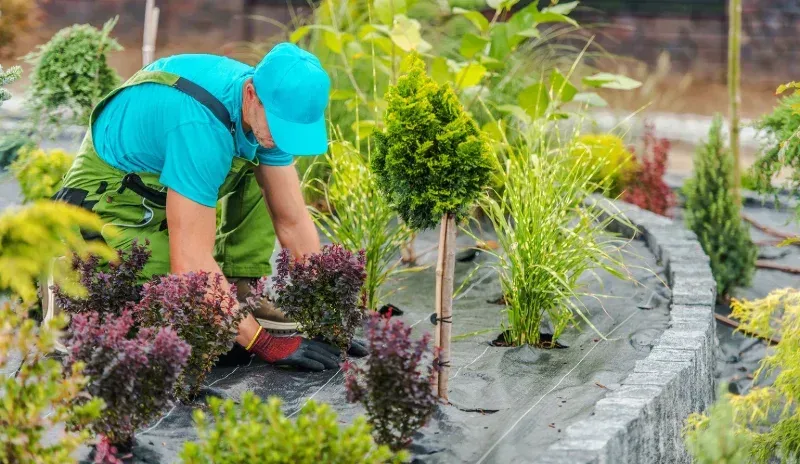
Pick species that tolerate heavier soil and suit Waikato’s climate. Many native and adapted plants manage clay well, both ornamental and edible types. Match plant choice to sunlight and space, and plan for mature size. Grass Master can suggest specific ornamental and edible plants for your site, tailored to drainage and light.
Seasonal Garden Care In Hamilton
Spring Preparation And Planting
Add organic matter, then carefully turn dry soil to avoid overworking it. Spring planting gives roots time to establish before the heat of summer, and it is a good moment to tidy beds and check soil levels.
Summer Moisture Management
Mulch helps conserve moisture, reduce temperature swings, and keeps weeds down. Water deeply and less often, rather than light frequent sprays. Watch for signs of heat stress, and adjust shade or watering as needed.
Autumn Mulching And Clean-Up
Clear fallen leaves and debris to lower pest and disease risk. Top up mulch to protect root systems through the cooler months. A tidy autumn makes spring much easier.
Winter Drainage Checks And Selective Pruning
Inspect gutters, drains, and channels for blockages, and clear them. Prune dead or diseased branches, but be selective. Light pruning helps plant health and sets a clean structure for spring growth.
A Simple Seasonal Maintenance Checklist
Keep these tasks on a repeat loop. Control weeds regularly, replenish mulch, and add organic matter gradually. Water when required, prune for shape and health, clear debris, and monitor plants for stress or disease. Small, steady work pays off over a season, and over several seasons.
When Professional Garden Maintenance Helps
Large or overgrown gardens, persistent drainage problems, or uncertain soil conditions often benefit from expert input. Professionals can assess the whole site, propose a practical plan, and carry out heavier work safely, ensuring long-term improvements and healthier plants.
FAQs About Clay Soil Gardening
Q: How Can I Tell If My Hamilton Garden Has Clay Soil? A: If the soil feels sticky and smooth when moist, holds shape, and shows puddling and slow drainage after rain, it is likely clay.
Q: What Organic Matter Can Improve A Clay Garden Bed? A: Well-rotted compost, leaf mould, and aged manure are effective at improving structure and nutrients.
Q: Does Gypsum Always Improve Clay Soil? A: Gypsum can help some soils, but it is not a universal cure. Test the soil first to see if it will benefit.
Q: Should I Add Sand To Clay Soil? A: Small additions can worsen texture unless combined correctly. Organic matter is usually the safer route.
Q: How Can I Improve Drainage Without Damaging Plants? A: Gentle grading, raised beds, and irrigation adjustments help. For ongoing issues, professional advice is wise.
Q: Which Garden Tasks Suit Each Hamilton Season? A: Spring for preparation and planting. Summer for moisture management. Autumn for mulching and clean-up. Winter for drainage checks and pruning.
Plan Your Next Garden Maintenance Visit
Grass Master can help improve your garden beds with practical guidance. Request a free garden maintenance Hamilton quote by sending photos, garden size, and a brief note on the issues you see. Our team will review your details and suggest steps to create a healthier, more vibrant garden year round.
For landscaping ideas or irrigation installation in Hamilton, please explore our related services.