Should You Paint Or Stain Your Deck In Hamilton?
October 20, 2026
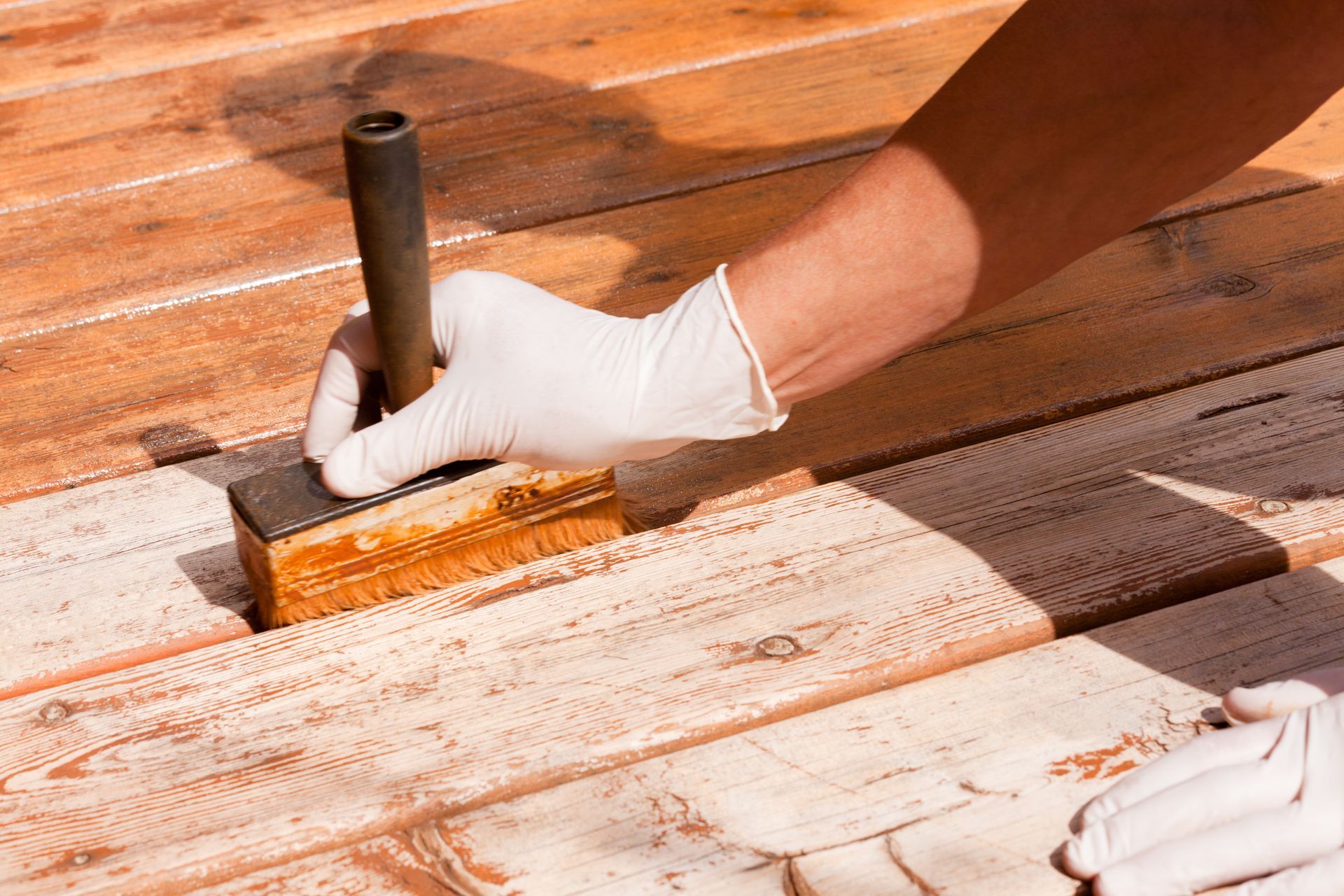
Applying stain to a timber deck in Hamilton

When you are weighing deck painting Hamilton services, choosing between paint and stain matters for both looks and long term protection. Hamilton’s mix of sun, rain, and humidity needs a finish that suits your deck’s condition, any existing coatings, and how much maintenance you want to do. The notes below explain the practical differences between paint and stain so you can pick the right finish for your timber deck.


Deck Paint Vs Stain: The Short Answer

The right choice depends on your deck’s surface type, timber condition, desired look, how exposed the area is to weather, and how often you will maintain it. Paint gives an opaque, solid surface that hides timber flaws, but it needs more prep and ongoing care. Stain highlights the timber grain and is easier to refresh, though it covers less and lasts differently depending on product and exposure.


What Is The Difference Between Deck Paint And Stain?

Paint builds a film on top of the timber, providing strong colour opacity and hiding surface imperfections. Applied correctly, it blocks UV and moisture well. If it is applied poorly, paint can peel or chip. Stain either soaks into the timber or forms a very thin surface layer, keeping the natural grain and texture visible. Both are available in formulas suited to different timber species and the local conditions found in Hamilton and across New Zealand.


Pros And Cons Of Painting A Deck

Painting gives full colour coverage, useful for older or uneven timber or when you want a bold, uniform look. It creates a solid barrier against sun and moisture when the preparation and application are done properly. The trade offs are greater preparation, cleaning, sanding, and sometimes stripping old layers. Future restorations can be fiddly if paint peels, and repainting is usually needed every few years.


Pros And Cons Of Staining A Deck

Staining preserves and enhances timber character, giving a warm finish common in timber deck care NZ. Low build stains penetrate or lightly coat the surface, so touch ups are straightforward and rarely need full sanding. Limits are obvious: stains do not hide surface defects well, and lifespan varies with product quality and exposure to Hamilton’s rain and humidity. You will generally do maintenance more often, but reapplications are simpler, especially in shaded or high traffic zones.


Which Finish Suits Your Hamilton Deck?

Factor Painted Deck Stained Deck
Existing Coating Old paint or uneven surface Previously stained or bare timber
Timber Type Weathered or durable timber species Fine-grained, well-maintained timber
Weather Exposure High sun, rain and heavy use Moderate exposure or partly shaded
Appearance Bold, consistent colours Natural look with visible timber grain
Maintenance More involved but less frequent Easier to refresh but required more frequently

Look at your timber, coating history, and how you use the deck to pick the best finish for your Hamilton home.


Preparation Determines The Result

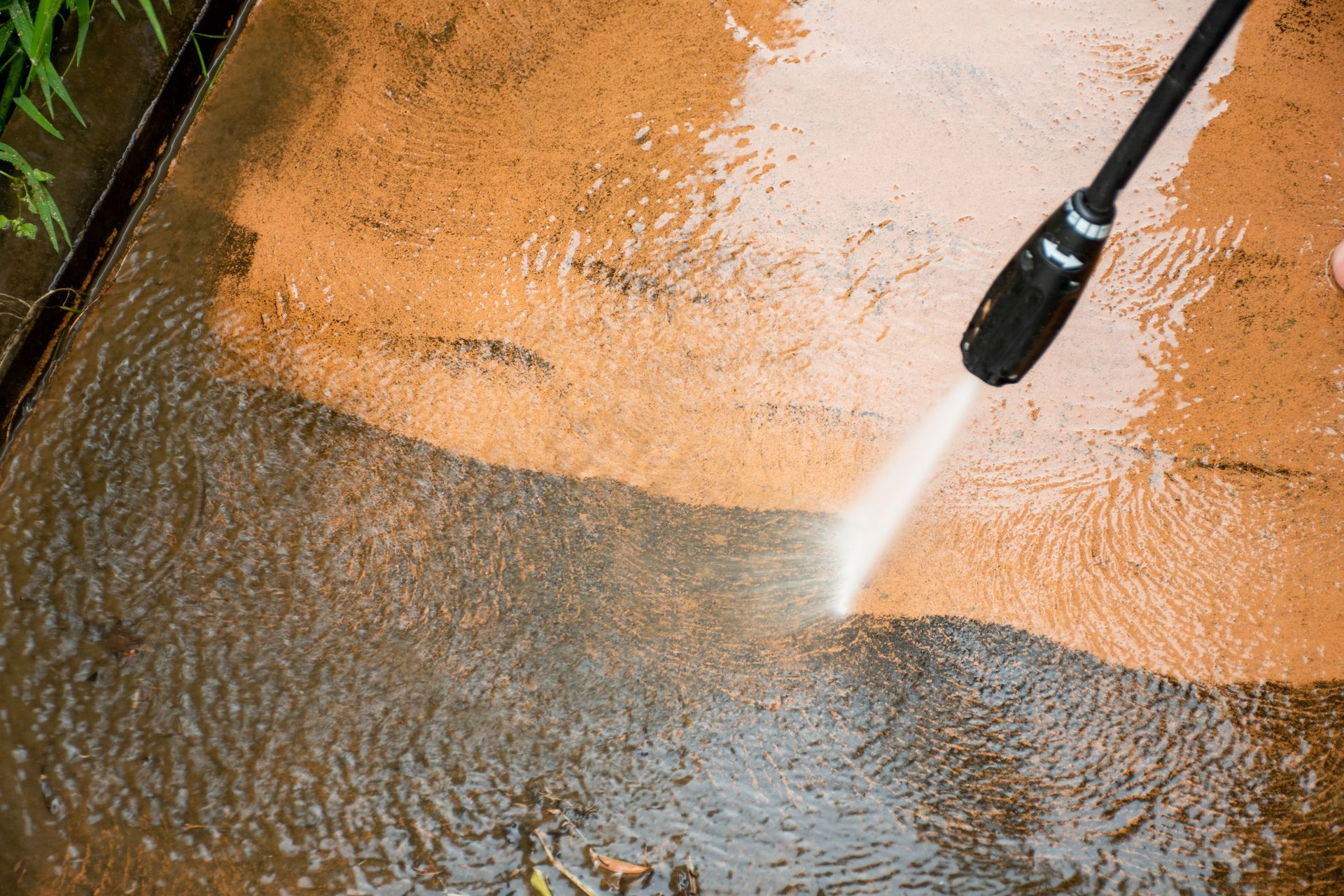
Preparation is the backbone of a lasting finish, whether you paint or stain. Start by checking for damaged or rotten boards. Remove moss, mildew and dirt with pressure cleaning. Let the timber dry completely, which can take several days in local humidity. Sand rough spots and repair any boards so the coating adheres and the finish looks even. Professional deck and patio pressure cleaning services can make this step quicker and more effective.


Restoring An Old Or Weathered Deck

Basic cleaning and recoating will often bring a deck back to life, but decks with peeling coatings, significant timber damage, or moisture issues may need board replacement and fuller restoration. Finding problems early saves money and extends the life of your deck in Hamilton’s climate.


Timber Deck Care In Hamilton And Waikato

Rain, humidity, sun and shade in Hamilton and Waikato affect timber decks noticeably. Leaf litter and shaded areas trap moisture and encourage mildew. Inspect your deck regularly, especially after winter and heavy rain. Base maintenance on the deck’s condition and how exposed it is, not just on a fixed timetable, to get better protection from the elements.


Cost And Timing Factors

Cost and project length depend on deck size and access, how much preparation and repair are needed, the type of coating chosen, weather for drying, and how many coats you apply. A professional assessment gives accurate estimates and realistic timelines.


FAQs About Painting And Staining Decks

Is paint or stain better for an older deck? If the existing coating is mostly intact, stain may be enough. Peeling paint usually needs stripping before repainting.


Can I stain over deck paint or paint over stain? Painting over stain normally requires complete removal of the stain. Some stains can be recoated with compatible stain products.


Does a deck need pressure cleaning before recoating? Yes, pressure cleaning removes dirt and contaminants that can stop a coating from adhering properly.


How long should timber dry before paint or stain application? Timber generally needs 48 to 72 hours after cleaning to dry, depending on weather.


How often should a Hamilton deck be inspected or recoated? Seasonal inspections are sensible. Recoating intervals vary by product but often sit between two and four years.


Can damaged or grey timber be restored before finishing? Yes. Sanding, repairs and specialist cleaning products help restore timber colour and prepare the surface for a new finish.


Get Advice For Your Deck

Send photos and details of your deck’s timber type, current coating and the finish you prefer for a free, no obligation quote. Grass Master’s local experience with deck painting Hamilton means you will get the right advice to keep your outdoor living area protected and attractive.


Get a Free Quote

Improving clay garden soil in Hamilton with organic matter
October 20, 2026
Learn how to improve Hamilton clay soil, drainage and seasonal garden care with practical Waikato gardening tips for healthier garden beds.
Pressure cleaning a concrete driveway before sealing in Hamilton
October 20, 2026
Learn how driveway sealing can reduce moisture absorption, moss growth and surface wear in Hamilton, plus when concrete resealing may be needed.
August 20, 2026
Maintaining a healthy, attractive lawn takes steady attention, and it can be hard to fit into an already full schedule. For Hamilton residents, professional lawn mowing services make it easy to keep outdoor areas tidy and enjoyable, without stealing weekends. From small residential gardens to large commercial grounds, local lawn care helps your property look its best throughout the year.
August 20, 2026
Understanding Your Lawn Renovation Options
July 9, 2026
Maintaining healthy, attractive hedges in Hamilton is more than frequent cutting. Proper timing, correct techniques, and awareness of local conditions make all the difference. Whether you are new to gardening or you have been at it for years, following hedge trimming Hamilton guidelines will help your hedges stay healthy and look good year-round. This guide covers seasonal pruning windows, species-specific tips, and practical advice tailored for Hamilton and the wider Waikato area. Why Timing Your Hedge Trim Matters Timing matters when you prune. Trim too early or too late and you risk damaging flower buds, stressing plants during hot spells, or leaving fresh cuts exposed to frost. Those problems reduce a hedge’s visual appeal, slow recovery, and raise the chance of disease. Pruning hedges NZ means recognising each species and its seasonal growth pattern, especially in Hamilton’s North Island climate. Springs often arrive earlier here and autumns run longer than in the South Island. Getting the timing right promotes stronger growth, reduces unwanted regrowth, and saves you time over the season. Hamilton's Pruning Calendar – When to Trim Each Season Effective Waikato garden maintenance depends on knowing when to trim. The calendar below reflects local climate and typical growth patterns. Spring (September–November) Spring is the main trimming season. As hedges move into active growth, it is a good time for shaping and to encourage fresh shoots. Be careful with early-flowering hedges, leave heavy cuts alone so blooms are not lost. Summer (December–February) In summer, keep trims light. Hamilton can get humid and hot, and hard pruning at that time can stress plants. Focus on tidying up unruly growth and keeping foliage healthy. Autumn (March–May) Autumn is a second key trim. It tidies hedges after summer and helps strengthen the structure before cooler weather. Winter (June–August) Most hedges are best left alone in winter. Dormant, deciduous hedges can be pruned safely at this time. Although winters are milder here, cautious timing still matters. Following this simple calendar helps hedges stay strong with minimal shock. Common Hedge Species in Hamilton – Specific Pruning Advice Different hedges need different approaches. Below are common species around Hamilton and tailored pruning advice. Griselinia Griselinia is a popular hedging choice in Hamilton thanks to its dense evergreen foliage and ability to respond well to regular trimming. Prune in spring and again during summer as needed to maintain a compact shape and encourage bushy growth. Avoid cutting heavily into old, bare wood where possible, and remove damaged or crossing branches to improve airflow and overall hedge health. Photinia (Red Robin) Photinia does well in Hamilton, but timing is important. Trim immediately after the spring red flush of new growth to promote vibrant shoots, and avoid heavy winter pruning which can harm young growth and reduce vitality. Lilly Pilly Lilly Pilly grows fast and tolerates frequent trimming. Hedge shaping Hamilton gardeners often prune two to three times a year to keep dense, neat foliage and a solid hedge form. Box Hedge (Buxus) Box hedges are slow growing, ideal for formal shapes at Hamilton properties. Usually one or two trims a year are enough. They can suffer blight, so prune with good airflow and remove affected material promptly. Feijoa Hedges Feijoa provides screen and fruit, so timing is key. Prune after autumn fruiting to avoid cutting away spring flowers. Avoid spring pruning when the hedge is setting flowers and fruit. Pittosporum Pittosporum is popular across Hamilton because it handles hard pruning and recovers quickly. It typically needs two to three trims a year to keep density and shape, using common garden pruning Waikato techniques. These local tips help each hedge follow its own natural cycle while staying tidy. How to Get the Right Hedge Shape A good hedge shape is more than neat edges. For hedge shaping Hamilton residents, an inverted trapezoid is recommended, wider at the base and narrower at the top. This shape lets light and air reach lower branches, preventing bare patches at the base from shading. Many neglected hedges end up V-shaped, which blocks light and creates patchy lower growth. Pro tip, for longer formal hedges use a string line or a level to keep the top edge even and straight. It makes a big difference to the final look. How Often Should You Trim Your Hedges? Trimming frequency affects plant health and the time you spend maintaining them. Fast-growing species, such as Lilly Pilly and Pittosporum, often need trimming three to four times a year to control size and keep shape. Formal hedges like Buxus and Photinia generally need one or two trims annually, scheduled to suit flowering and growth cycles. Flowering hedges, such as Feijoa and Camellia, should be pruned once a year after flowering, to protect blooms and encourage healthy regrowth. Avoid removing more than one third of a hedge’s growth in any single session. That reduces stress and helps shoots recover quickly. Signs Your Hedges Need Professional Attention Some jobs are best left to professionals. Consider hiring hedge trimming Hamilton services when: Hedges are taller than two metres, requiring ladders or scaffolding. Growth is thick and woody, needing loppers or chainsaws. Hedges are close to power lines, where safety precautions are essential. Large-scale topiary or formal hedges on commercial properties need precise shaping. Grass Master provides Hamilton with experienced, safe, and high-quality hedge trimming and pruning. With more than ten years of local experience and the right equipment, we handle Waikato garden maintenance carefully and efficiently. Request a free quote for hedge trimming and pruning in Hamilton and the wider Waikato region today. Grass Master offers expert hedge trimming and pruning services throughout Hamilton and Waikato, seven days a week. Contact us for your free quote today. Get a Free Quote
July 9, 2026
Hamilton’s lush green lawns often face challenges due to clay soils Hamilton. These heavy, compacted soils, common in the Waikato region, cause problems such as poor drainage, waterlogging, and uneven grass growth. Despite those challenges, there are practical ways to restore and maintain a healthy lawn. This guide offers clear, local advice for Hamilton and nearby suburbs to help you understand, manage, and improve clay soils in your lawn, bringing vibrancy and resilience back to your outdoor space. Why Hamilton Lawns Struggle with Clay Soil Hamilton and the wider Waikato region mostly sit on heavy clay soils formed from volcanic ash and old river sediments. Clay holds water tightly and becomes dense when wet, which creates drainage problems and compaction. That compacted layer causes puddles after rain, slow drainage and restricted root growth, because hard-packed soil stops roots from penetrating deeply. Lawns on clay often go patchy and encourage moss in shaded, damp spots. Compaction also limits nutrients and oxygen reaching grassroots, weakening the whole sward. The good news is clay soils Hamilton are manageable with the right care and timing. Knowing these local soil traits helps you plan treatments that actually work for lawns across Waikato. How to Tell if Your Lawn Has a Clay Soil Problem Signs to Look For Persistent puddles or standing water after rain. Cracks forming in the soil during dry periods. Slow drainage creating muddy or boggy patches. Moss growth in consistently damp areas. Yellowing or thinning grass, especially near edges. The Screwdriver Test: A Simple Soil Check The screwdriver test is a quick way to check for compaction. After watering your lawn, push a screwdriver about 15 cm (6 inches) into the moist soil. If it is very difficult or impossible to push through, your lawn likely has compaction typical of clay soils. That restriction limits root growth and affects overall lawn health. Spotting several of these signs suggests compacted lawn Hamilton areas need attention to encourage stronger grass growth. Step-by-Step: How to Improve Clay Soil in Your Hamilton Lawn Improving clay soils Hamilton takes a series of actions, repeated over time, to loosen the soil and boost lawn health. 1. Aerate the Lawn Carry out lawn aeration Hamilton in spring or autumn when the soil is moist but not waterlogged. Aeration pulls small plugs of soil or creates holes to increase air, water and nutrient flow. This relieves compaction and helps roots grow deeper. 2. Top-Dress with Compost or Sandy Loam After aeration, spread a thin layer of organic compost or sandy loam. Top-dressing changes the soil texture, adds organic matter and improves drainage. Regular applications build microbial activity and increase nutrient availability. 3. Apply Gypsum Clay Breaker Gypsum is a natural mineral that helps separate clay particles and reduce density. It improves crumb structure, encourages drainage and allows roots to penetrate more easily. Apply gypsum as directed on the product, usually in spring or autumn. 4. Oversow with Suitable Grass Seed Choose a seed blend suited to Waikato conditions, favouring varieties that cope with moisture and clay soils. Oversowing thickens turf, helping grass outcompete moss and weeds in problem areas. 5. Fertilise with a Starter Fertiliser Use a balanced starter fertiliser right after oversowing to give new seedlings essential nutrients. This helps young roots establish alongside existing grass and speeds up recovery. 6. Water Management Avoid frequent, shallow watering. Water deeply but less often, to encourage roots to go deeper into the soil. Deeper roots make the lawn stronger and more resilient during dry spells. Ongoing maintenance and patience. Improving clay soils Hamilton is gradual. Repeat aeration and top-dressing annually, and keep a steady feeding and watering routine to maintain a lush, healthy lawn over time. The Best Time of Year to Treat Clay Soils in Hamilton Hamilton’s climate, with wet winters and warm, humid summers, affects when treatments work best. Spring (September–November) Spring is the best time for initial aeration and oversowing. Warming soils and increasing rainfall help seedlings establish. This period fits well with Hamilton lawn spring care. Autumn (March–May) Autumn gives a second window for treatment. Apply top-dressing, fertilise and perform follow-up aeration to ready the lawn for winter and boost recovery the following season. Autumn lawn treatment Waikato helps maintain soil and turf health. When to Avoid Treatment Avoid heavy soil work in mid-summer when soils are hard and grass roots are under stress, and avoid it in mid-winter when roots are largely dormant and less likely to recover. Matching treatments to Hamilton’s seasons increases their effectiveness and reduces stress on the lawn. Clay Soil vs. Instant Turf: Is Laying New Grass Worth It? Laying instant turf Hamilton directly over untreated clay usually causes recurring problems within a season or two. Without addressing compaction and drainage first, new turf struggles to put down deep roots and ends up patchy and weak. Soil preparation is essential before installing instant turf. Repair clay issues with aeration, top-dressing and amendments first. Once the soil is improved, laying turf will give you a greener, longer lasting lawn. For more on this, see our August blog on “Instant Turf vs. Lawn Seeding in Hamilton” for added detail. When to Call in a Professional Lawn Care Team Signs DIY May Not Be Enough If your lawn shows widespread compaction, constant drainage problems, or does not respond after several attempts, it may need professional help. Treating clay soils Hamilton thoroughly often requires specialist equipment and know-how. Why Choose Grass Master for Lawn Care Hamilton Grass Master has over 10 years of local experience working with Hamilton lawns and clay soils. We offer personalised assessments and tailored solutions suited to Waikato’s soil and weather conditions. Request a free lawn assessment from the Grass Master team and see how we can help restore your lawn’s health and appearance. Ready to Fix Your Hamilton Lawn? Contact Grass Master Today Ready to restore your Hamilton lawn? Contact Grass Master for a free, no-obligation quote. We proudly serve Hamilton and the wider Waikato region, seven days a week. Get a Free Quote