How Concrete Driveway Sealing Helps Protect Against Moisture and Moss in Hamilton
Concrete driveways in Hamilton often face moisture and moss problems, thanks to the local climate and garden conditions. Concrete is naturally porous, so water can soak in, especially where shade and poor drainage keep surfaces damp. Leaves and soil gather in those damp spots, feeding moss and speeding up surface wear. Concrete driveway sealing in Hamilton tackles these issues by forming a barrier that cuts down moisture penetration and makes the surface less hospitable to moss, helping homeowners protect their driveways and keep kerb appeal.
Why Hamilton Driveways Develop Moss and Moisture Problems
Hamilton’s frequent moisture and shaded garden areas create ideal conditions for moss and retained dampness on concrete driveways. Porous concrete soaks up water, and when drying is slow because of shade or blocked drains, the surface stays wet for longer. Organic debris, like leaves and soil, settles on those damp patches and encourages moss and algae to take hold. Some properties, however, experience fewer problems, depending on sun exposure and drainage. Improving surface drainage and keeping up regular maintenance are critical for long term control.
How Concrete Driveway Sealing Works
Sealing a concrete driveway in Hamilton involves applying a product that either soaks into the concrete or forms a thin protective film on top. Both approaches reduce how much water can get into the substrate, and they keep dirt and contaminants from penetrating the surface. With less moisture present, moss growth slows and cleaning becomes easier. Sealers do not fix existing drainage faults or structural cracks, nor do they permanently stop moss if the site stays shaded and damp. Think of sealing as a maintenance tool that performs best when combined with other upkeep measures.
Benefits of Sealing Concrete Driveways
Sealing a driveway delivers several practical benefits. A sealed surface resists water, oils, dirt, and many common stains better, so the concrete stays cleaner and looks more consistent. That protection helps slow surface wear and can extend the life of the driveway. The exact level of protection depends on the type of sealer used, how well the surface was prepared, and local factors like sunlight and traffic. Regular reapplication also supports moisture defence by reducing freeze thaw damage and surface abrasion.
Why Cleaning and Moss Removal Come First
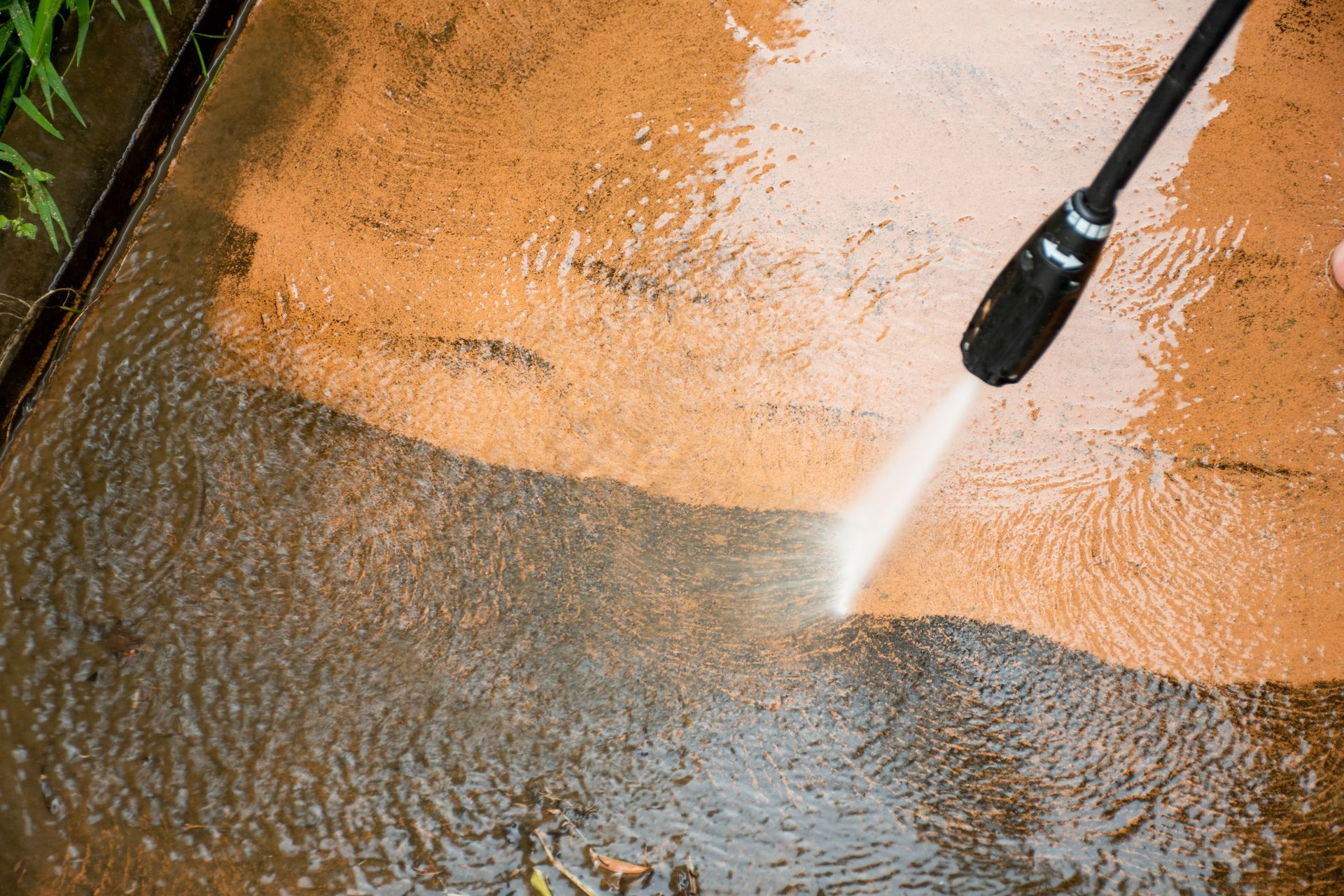
Thorough cleaning and moss removal must happen before any sealer goes on. A proper assessment finds moss patches, stubborn stains, and debris that would stop the sealer bonding correctly. Moss is usually removed with pressure cleaning suitable for concrete, and stains are treated where possible. Rinse well and allow the driveway to dry completely, so the sealer adheres and cures as intended. Skipping this prep leads to patchy finishes and early failure of the coating.
New Sealing Versus Concrete Driveway Resealing
New sealing starts with preparing bare concrete, while resealing depends on the condition of any existing coating. If earlier sealers show wear, peeling, or patchiness, those layers must be addressed so the new product will bond properly. Resealing can require different product choices, since compatibility matters. Sometimes light sanding or removal of loose sealant is necessary. A professional assessment will clarify the correct approach for concrete driveway resealing in Hamilton.
Signs Your Driveway May Need Resealing
Look for uneven colour, areas that soak up water rather than bead it, increased surface wear, or moss and dirt coming back faster than before. Driveways do not follow a fixed reseal timetable. Traffic levels, weather exposure, and how often the surface is cleaned all affect how long a sealer lasts. Catching these signs early helps preserve the driveway’s integrity and keeps the moisture defence effective.
Choosing a Sealer and Finish
Choosing the right sealer means deciding between penetrating products and film forming ones. Penetrating sealers soak into the concrete, offering moisture resistance while keeping a natural look and good slip resistance. Film forming sealers sit on top, can boost gloss, and provide a stronger barrier initially, but they may need more frequent reapplication as they wear. Consider slip resistance for safety, aesthetic goals, expected traffic, UV exposure, and follow manufacturer application and curing instructions for the best results.
Professional Driveway Cleaning and Sealing in Hamilton
A professional assessment by Grass Master looks at surface porosity, any existing coatings, the extent of moss, and moisture concerns. Their pressure cleaning methods remove moss and organic debris safely and effectively, preparing the driveway for a sealer. Grass Master offers concrete driveway sealing Hamilton services, tailored to local climate and substrate conditions. Sealing is recommended only after proper preparation, to ensure maximum adhesion and longevity.
Request an Assessment
Protect your driveway from moisture and moss today. Send photos, the driveway size, a description of the surface condition, and any previous coatings to Grass Master for a free, no obligation assessment and quote. Receive tailored solutions and expert service for concrete driveway sealing in Hamilton.