Hedge Trimming and Pruning Windows: A Hamilton Homeowner's Guide
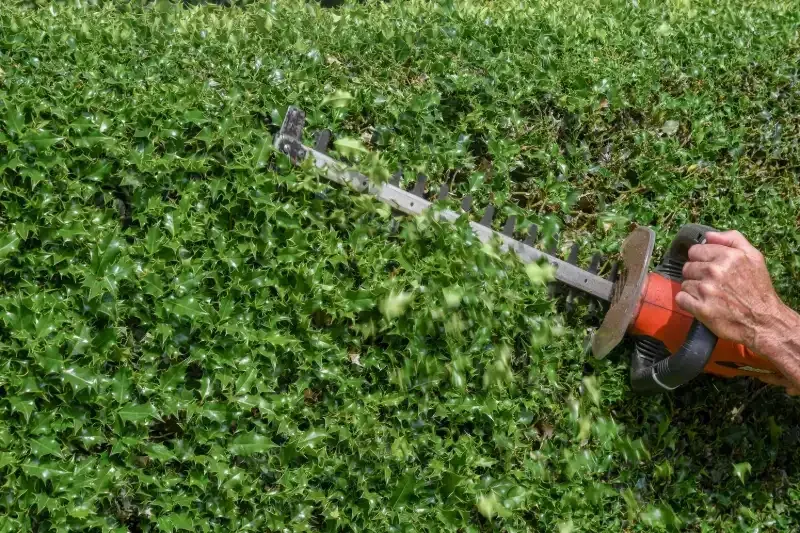
Maintaining healthy, attractive hedges in Hamilton is more than frequent cutting. Proper timing, correct techniques, and awareness of local conditions make all the difference. Whether you are new to gardening or you have been at it for years, following hedge trimming Hamilton guidelines will help your hedges stay healthy and look good year-round. This guide covers seasonal pruning windows, species-specific tips, and practical advice tailored for Hamilton and the wider Waikato area.
Why Timing Your Hedge Trim Matters
Timing matters when you prune. Trim too early or too late and you risk damaging flower buds, stressing plants during hot spells, or leaving fresh cuts exposed to frost. Those problems reduce a hedge’s visual appeal, slow recovery, and raise the chance of disease.
Pruning hedges NZ means recognising each species and its seasonal growth pattern, especially in Hamilton’s North Island climate. Springs often arrive earlier here and autumns run longer than in the South Island. Getting the timing right promotes stronger growth, reduces unwanted regrowth, and saves you time over the season.
Hamilton's Pruning Calendar – When to Trim Each Season
Effective Waikato garden maintenance depends on knowing when to trim. The calendar below reflects local climate and typical growth patterns.
Spring (September–November)
Spring is the main trimming season. As hedges move into active growth, it is a good time for shaping and to encourage fresh shoots. Be careful with early-flowering hedges, leave heavy cuts alone so blooms are not lost.
Summer (December–February)
In summer, keep trims light. Hamilton can get humid and hot, and hard pruning at that time can stress plants. Focus on tidying up unruly growth and keeping foliage healthy.
Autumn (March–May)
Autumn is a second key trim. It tidies hedges after summer and helps strengthen the structure before cooler weather.
Winter (June–August)
Most hedges are best left alone in winter. Dormant, deciduous hedges can be pruned safely at this time. Although winters are milder here, cautious timing still matters.
Following this simple calendar helps hedges stay strong with minimal shock.
Common Hedge Species in Hamilton – Specific Pruning Advice
Different hedges need different approaches. Below are common species around Hamilton and tailored pruning advice.
Griselinia
Griselinia is a popular hedging choice in Hamilton thanks to its dense evergreen foliage and ability to respond well to regular trimming. Prune in spring and again during summer as needed to maintain a compact shape and encourage bushy growth. Avoid cutting heavily into old, bare wood where possible, and remove damaged or crossing branches to improve airflow and overall hedge health.
Photinia (Red Robin)
Photinia does well in Hamilton, but timing is important. Trim immediately after the spring red flush of new growth to promote vibrant shoots, and avoid heavy winter pruning which can harm young growth and reduce vitality.
Lilly Pilly
Lilly Pilly grows fast and tolerates frequent trimming. Hedge shaping Hamilton gardeners often prune two to three times a year to keep dense, neat foliage and a solid hedge form.
Box Hedge (Buxus)
Box hedges are slow growing, ideal for formal shapes at Hamilton properties. Usually one or two trims a year are enough. They can suffer blight, so prune with good airflow and remove affected material promptly.
Feijoa Hedges
Feijoa provides screen and fruit, so timing is key. Prune after autumn fruiting to avoid cutting away spring flowers. Avoid spring pruning when the hedge is setting flowers and fruit.
Pittosporum
Pittosporum is popular across Hamilton because it handles hard pruning and recovers quickly. It typically needs two to three trims a year to keep density and shape, using common garden pruning Waikato techniques.
These local tips help each hedge follow its own natural cycle while staying tidy.
How to Get the Right Hedge Shape
A good hedge shape is more than neat edges. For hedge shaping Hamilton residents, an inverted trapezoid is recommended, wider at the base and narrower at the top.
This shape lets light and air reach lower branches, preventing bare patches at the base from shading. Many neglected hedges end up V-shaped, which blocks light and creates patchy lower growth.
Pro tip, for longer formal hedges use a string line or a level to keep the top edge even and straight. It makes a big difference to the final look.
How Often Should You Trim Your Hedges?
Trimming frequency affects plant health and the time you spend maintaining them.
- Fast-growing species, such as Lilly Pilly and Pittosporum, often need trimming three to four times a year to control size and keep shape.
- Formal hedges like Buxus and Photinia generally need one or two trims annually, scheduled to suit flowering and growth cycles.
- Flowering hedges, such as Feijoa and Camellia, should be pruned once a year after flowering, to protect blooms and encourage healthy regrowth.
Avoid removing more than one third of a hedge’s growth in any single session. That reduces stress and helps shoots recover quickly.
Signs Your Hedges Need Professional Attention
Some jobs are best left to professionals. Consider hiring hedge trimming Hamilton services when:
- Hedges are taller than two metres, requiring ladders or scaffolding.
- Growth is thick and woody, needing loppers or chainsaws.
- Hedges are close to power lines, where safety precautions are essential.
- Large-scale topiary or formal hedges on commercial properties need precise shaping.
Grass Master provides Hamilton with experienced, safe, and high-quality hedge trimming and pruning. With more than ten years of local experience and the right equipment, we handle Waikato garden maintenance carefully and efficiently.
Request a free quote for hedge trimming and pruning in Hamilton and the wider Waikato region today.
Grass Master offers expert hedge trimming and pruning services throughout Hamilton and Waikato, seven days a week. Contact us for your free quote today.